Marilyn

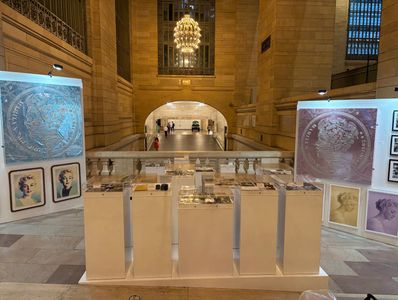
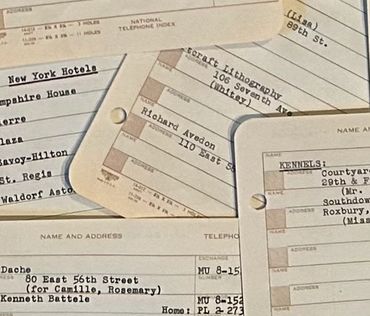
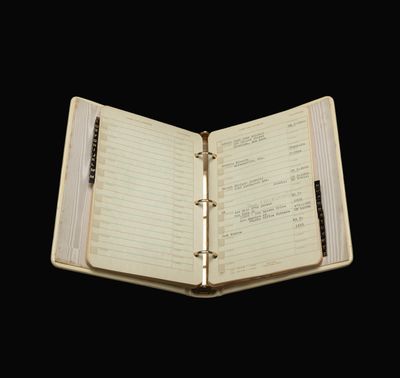
Marilyn’s New York is an exhibition presented at Grand Central Terminal from May 19–22, 2026. Marilyn Monroe’s final personal address book from 1962 creates the backbone for the display. Combining contacts and added context supported by archival photography and storytelling, the narrative humanizes Marilyn as a woman of agency and intent — exposing the deliberate choices she made navigating fame, career, and her life in New York City.
In her will, Marilyn directed that a portion of her estate support psychiatric institutions and mental health advancement. It was a deeply intentional act that reflected her humanitarianism and lifelong pursuit of emotional care. Over time, that philanthropic intention faded from public memory.
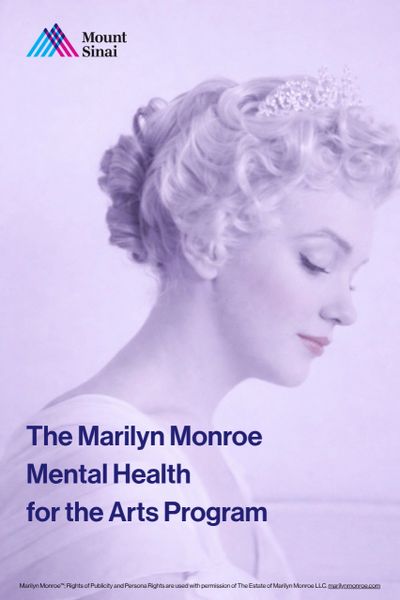
Today, we have closed the circle on her final wish and legacy by creating The Marilyn Monroe Mental Health for the Arts Program in partnership with The Mount Sinai Hospital and the Entertainment Community Fund.
Original collectibles available-- https://www.ebay.com/str/goldinauctions1
Share your own Marilyn story on Gallery Page 2
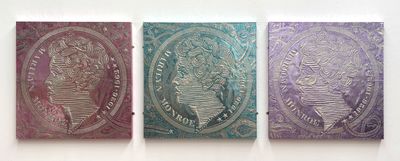
As early as 1952 Marilyn Monroe arrived in New York to promote her film Monkey Business and secured her first program on NBC Radio. During this time, she met comedian, broadcaster, and author Joe Franklin, who would write the first biography on Marilyn, The Marilyn Monroe Story - published in 1953 by Rudolph Field. The book closes with a budding romance between Marilyn and Joe DiMaggio, the legendary “Yankee Clipper". Their romance was closely followed and celebrated by fans of film and sport. Though their marriage was brief and rocky, their connection endured. Marilyn remained the great love of Joe DiMaggio’s life until the day he died.
(original artwork by Ann Carrington, 2026 - Available for purchase: 1, 2 or all 3)




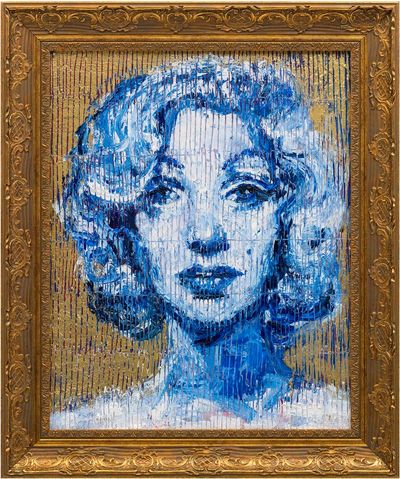
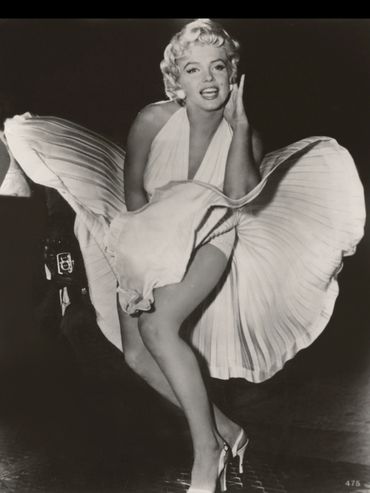
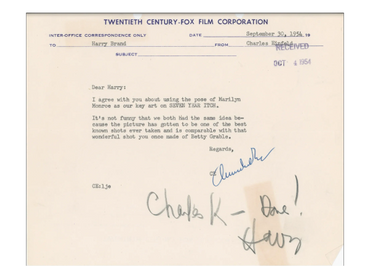
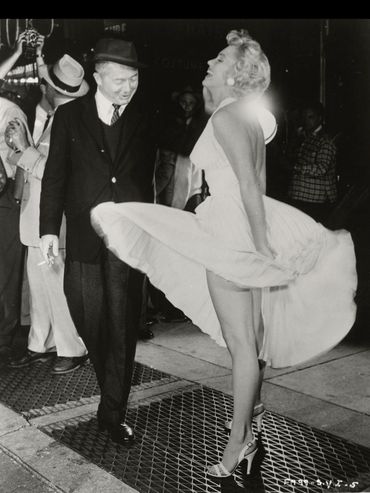
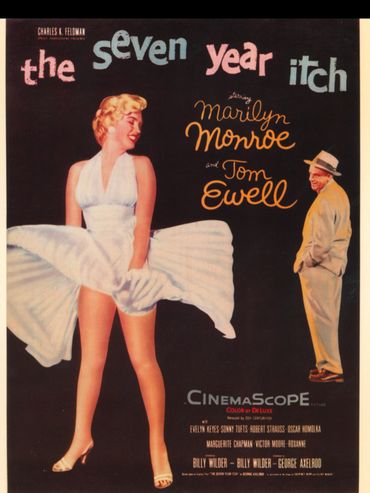
Marilyn's memorable character in The Seven Year Itch was known only as "The Girl" - yet she stole the show... The exterior filming for The Seven Year Itch took place in the early hours of September 15–16, 1954 outside the Loew’s State Theater on Lexington Avenue and 52nd Street. More than 2,000 spectators gathered after Fox publicists tipped off the press. The crowd whistled, shouted, and cheered every time Marilyn’s dress blew up. Joe DiMaggio became increasingly infuriated. The whistles, catcalls, and general chaos made the live footage unusable. Director Billy Wilder eventually had to reshoot the scene on a Hollywood soundstage for the final film. He quipped later that the whole thing was less about making a movie and more about “staging a publicity stunt.” The filming of The Seven Year Itch’s famous “subway grate” scene on Lexington Avenue at 52nd Street in Manhattan has become one of the most legendary moments in movie and pop culture history—and also one of the most chaotic film shoots ever staged in New York.
(original artwork by Hunt Slonem, 2026 - Available for purchase)
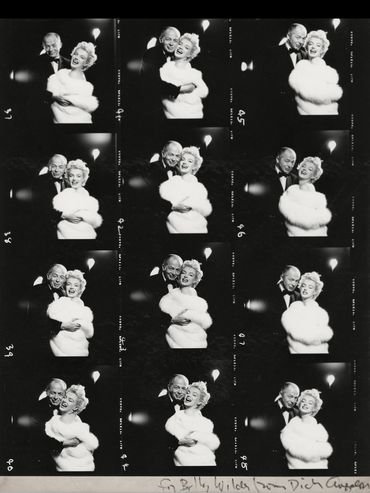
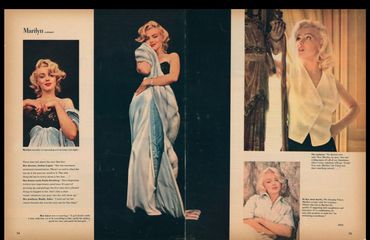
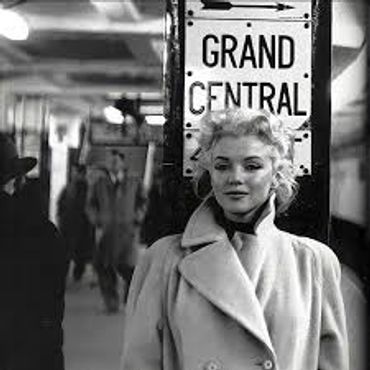
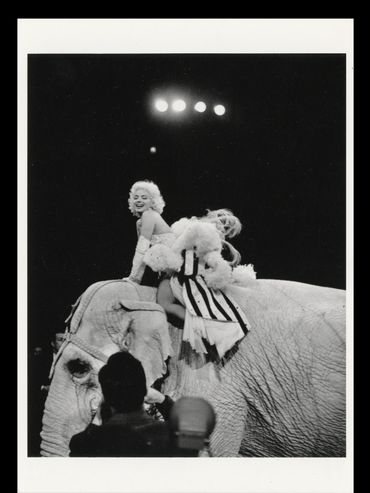
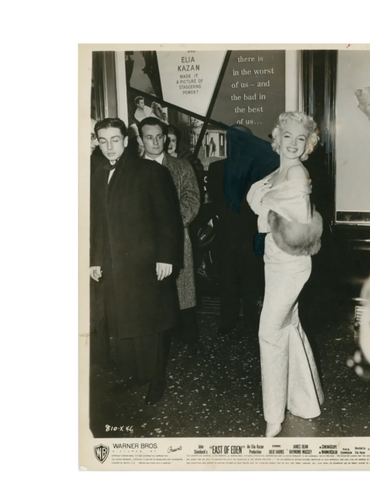
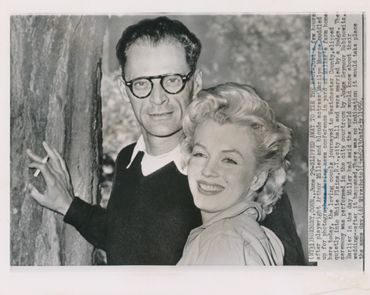
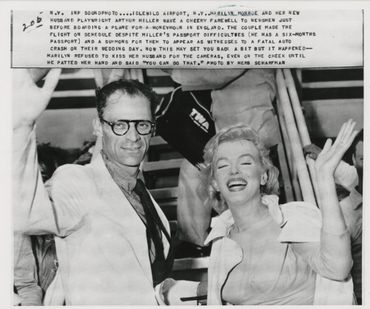
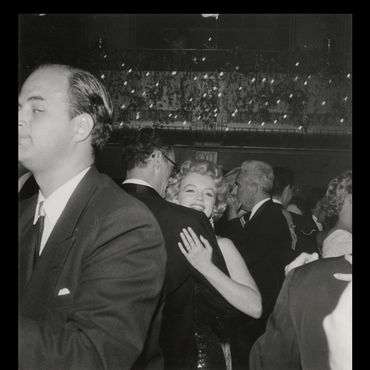
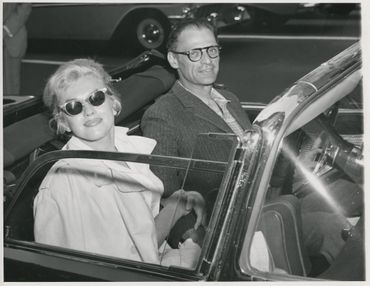
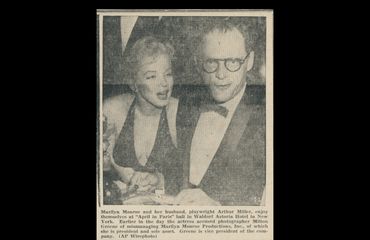
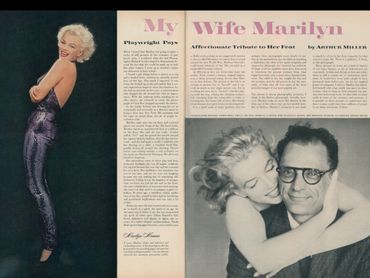

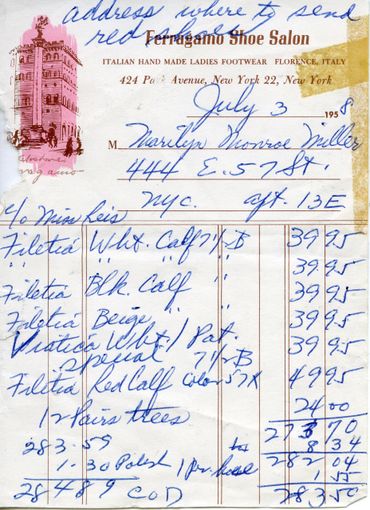
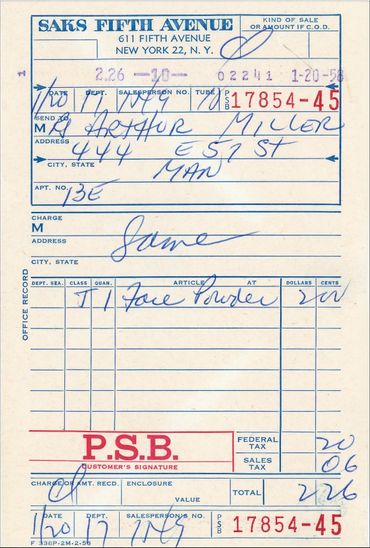

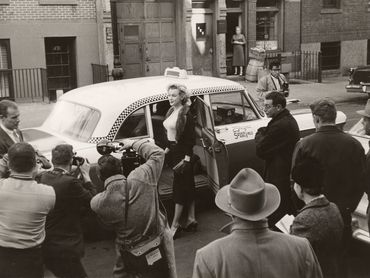
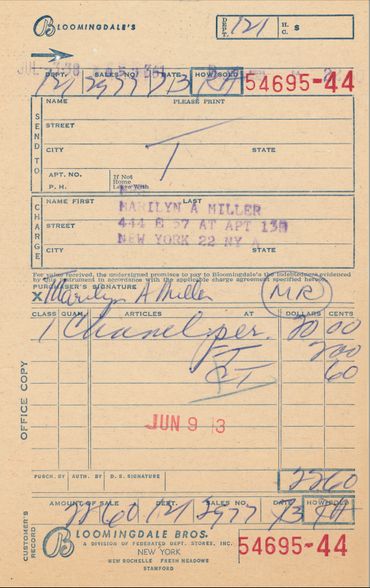
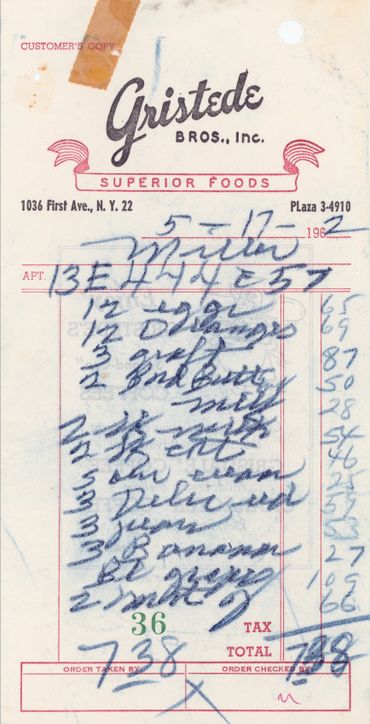
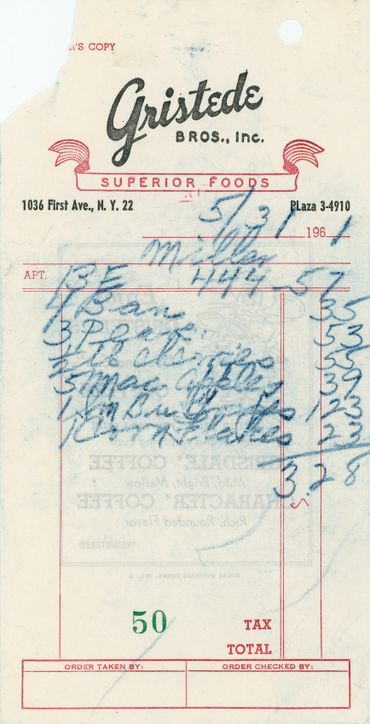
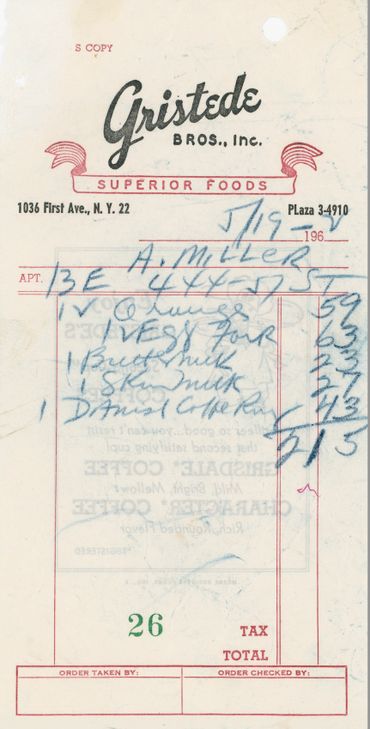
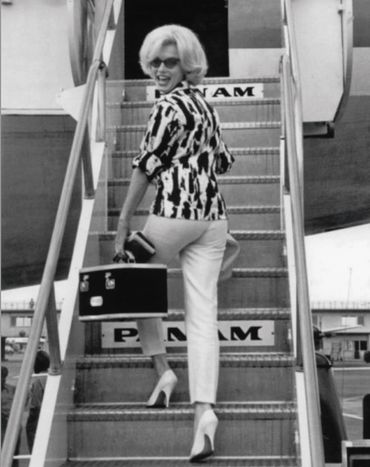

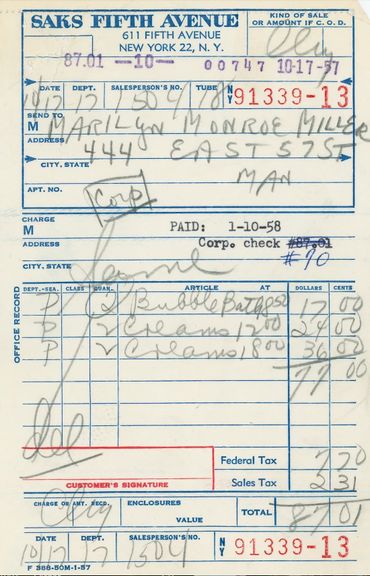
Marilyn and Arthur lived at 444 E 57th, the home she would claim as her residence until the day she died. In New York, Marilyn found a sense of security and independence, and developed a routine of familiar stores, shops and services that made her feel both authentic and seen.
Shown: Ferragamo Shoes, T Anthony Luggage

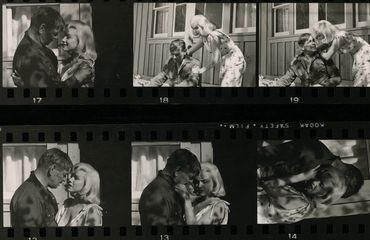
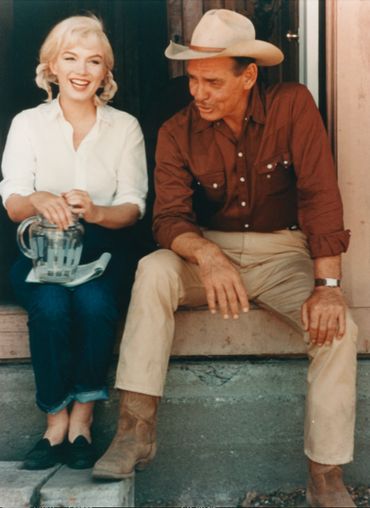
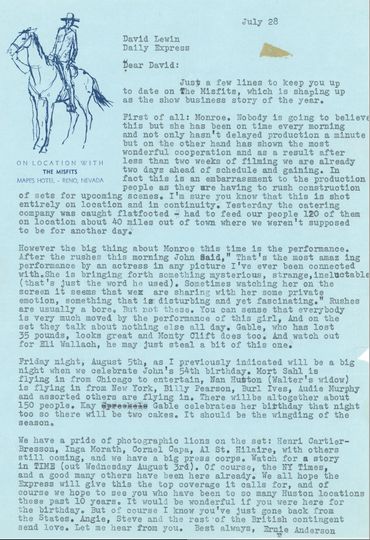
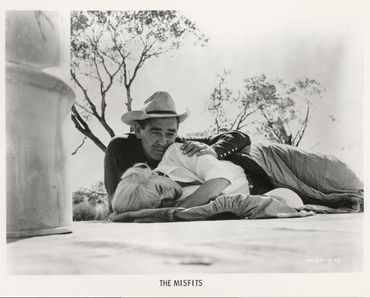
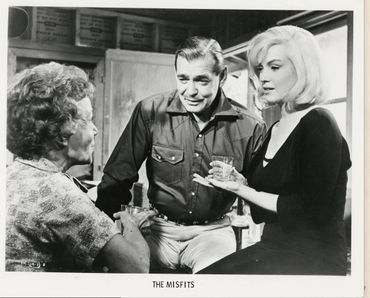
Arthur Miller began writing The Misfits in the mid-1950s as a kind of love letter to Marilyn, shaping the character of Roslyn as a reflection of her vulnerability, sensitivity, and longing for authenticity. He wanted the script to be a gift, a story that would showcase Marilyn’s depth beyond Hollywood stereotypes. But as the years passed, their marriage faltered, and the production exposed the growing cracks between them. What began as an ode to his wife turned into a painful mirror of their unraveling relationship. By the end of 1960, the writing, filming, and emotional strain of The Misfits ultimately marked the end of their marriage.

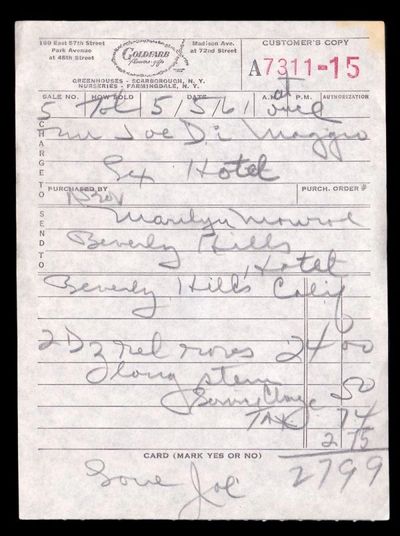
Following her divorce on January 24, 1961 in Juarez, Mexico, Marilyn Monroe returned to New York and reconnected with Joe DiMaggio, who was then living at the Lexington Hotel. Whether or not rumors of a reconciliation were true, theirs remained a relationship defined by enduring affection, loyalty, and mutual support—one that lasted a lifetime.
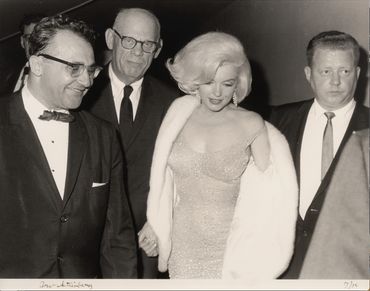
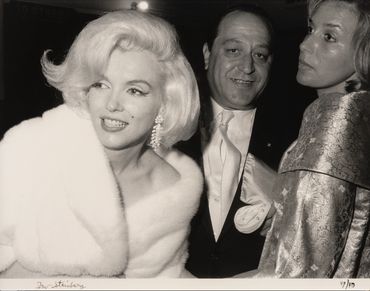
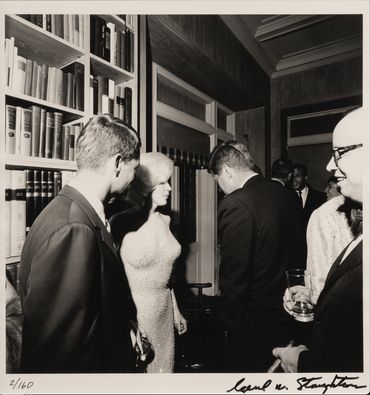
When her final will was read, it revealed how deeply Marilyn’s ties to New York ran: five of the eight close friends and associates entrusted with her estate were based there, including Paula and Lee Strasberg of The Actor’s Studio, secretary May Reiss, and psychoanalyst Dr. Marianne Kris.
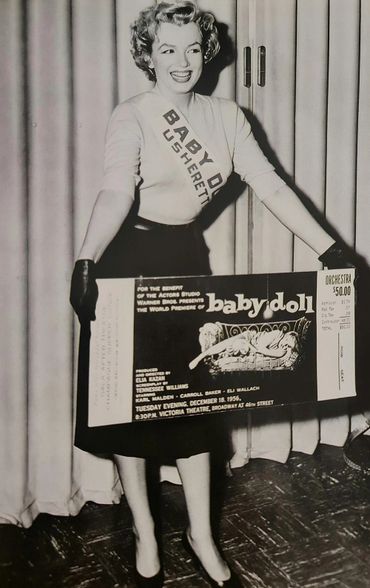
Paula and Lee Strasberg were central to Marilyn’s artistic life. As head of The Actors Studio, Lee represented the intellectual and creative community Marilyn desired, while Paula became her trusted coach and companion. Their presence underscored Marilyn’s commitment to serious craft and her aspirational goals.
"She always dreamt of being an actress, she didn't, by the way, dream of being a star. She dreamt of being an actress, and she had always lived somehow with that dream. And that is why, despite the fact that she became one of the unusual and outstanding stars of all time, she herself was never satisfied. When she came to New York, she began to perceive the possibilities of really accomplishing her dream of being an actress. “ - Lee Strasberg on Marilyn Monroe
May Reis, her longtime secretary and friend, provided stability in the daily details of Marilyn’s life. In an often changing world, Reis was one of the few constants—loyal, discreet, and dependable.
Dr. Marianne Kris, her psychoanalyst throughout the mid to late 1950s. Their work underscores Marilyn’s commitment to her own well-being and her lifelong pursuit of healing, understanding, and validation, reflecting how central the search for mental health was throughout her life.
In New York, Marilyn Monroe had built a well rounded life that balanced artistic ambition with personal growth. She longed to be seen not as a star, but as a woman of depth, resilience, and generosity, shaping a legacy that would outlive her fame.
Echoing her wish to leave part of her estate “… for the furtherance of the work of such psychiatric institutions or groups as she (Dr. Marianne Kris) shall elect” and honoring this final bequest in partnership with The Mount Sinai Hospital and The Entertainment Community Fund - The Marilyn Monroe Mental Health for the Arts Program is dedicated to supporting artists and performers’ mental health. It ensures that her legacy continues not only on stage and screen, but also in the vital work of caring for those who bring art to life.
LEARN MORE: https://mountsinai.donorsupport.co/page/FUNJJBBYPDW